
Chicago’s business environment includes healthcare systems, legal offices, financial firms, restaurants, hotels, venues, corporate headquarters, contractors, nonprofits, and service providers. The city also supports major visitor activity. Choose Chicago reported an estimated 55.3 million visitors in 2024 and $20.6 billion in economic impact. For businesses serving residents, commuters, travelers, patients, clients, and event guests, call volume can remain high well beyond standard office hours.
Suburban markets such as Naperville, Aurora, Schaumburg, Oak Brook, Joliet, Elgin, Evanston, Waukegan, and Rockford include medical practices, law firms, real estate offices, manufacturers, home service businesses, senior care providers, schools, logistics companies, and growing professional teams. Many companies serve wide geographic areas or operate across multiple offices. Live answering can help route calls by location, urgency, service type, or department while keeping the caller experience consistent.
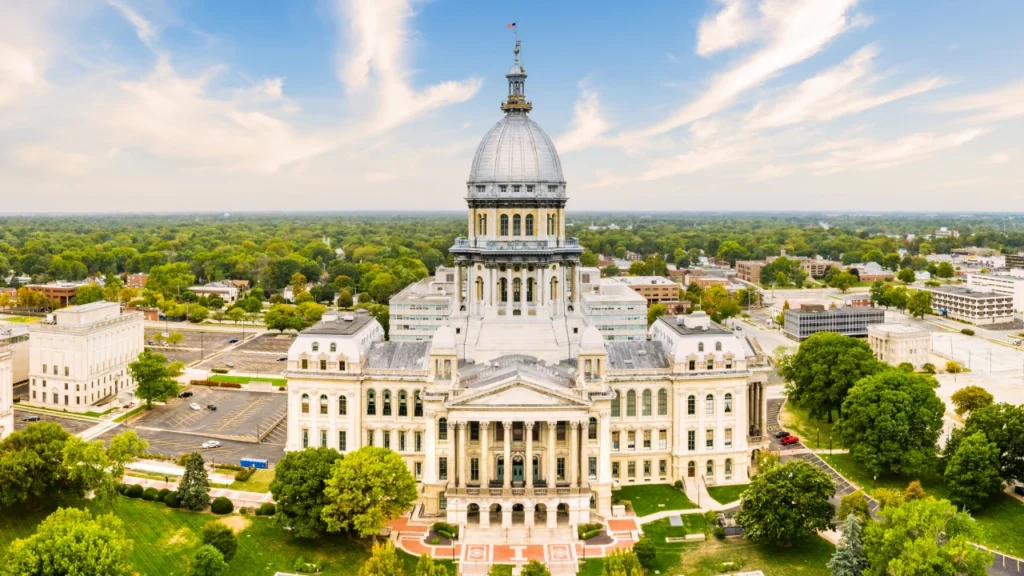
Springfield, Peoria, Bloomington-Normal, Champaign-Urbana, Decatur, and surrounding communities support government-related services, healthcare, education, insurance, agriculture, manufacturing, contractors, and professional offices. Calls may involve appointments, referrals, service requests, intake, scheduling, billing questions, or messages for specific staff members. In these markets, reliable call handling helps smaller and mid-sized teams stay accessible without pulling employees away from essential work.
Businesses in Moline, Rock Island, Quincy, Galesburg, the Quad Cities, and Metro East communities near St. Louis often manage communication across state lines, industrial corridors, transportation routes, healthcare networks, and regional service areas. Calls may come from customers, vendors, drivers, tenants, patients, or field teams. Live call support can help document details clearly and send messages to the right person without delay.
Southern Illinois businesses often balance local customer service with regional operations tied to healthcare, tourism, education, agriculture, trades, field service, property management, and small business support. In communities where teams may be lean, and staff members often wear several hats, a live answering service can help keep calls from slipping through during meetings, appointments, job sites, closings, or high-demand periods.