

A strong sales process often begins well before a salesperson joins the conversation. When a prospect calls with a question, a service need, or an interest in working with a company, that first interaction can create a clear path to the next step. Live answering gives businesses an opportunity to capture that interest, gather useful information, and prepare prospects for a productive discovery call.
Receptionists can ask a few relevant questions, identify the caller’s needs, and schedule an appropriate meeting while interest is still high. This gives sales teams more context before conversations begin and helps prospects move through the process with fewer steps.
The result is a more connected experience from the first phone call to the sales conversation. Instead of treating answering, qualification, and scheduling as separate tasks, businesses can integrate them into a single coordinated workflow. That approach helps sales teams focus their time while giving prospects a responsive, professional introduction to the company.
Focus on the Quality of Each Sales Opportunity
A productive sales calendar starts with understanding what makes a prospect a strong fit. Businesses can use live answering to gather that information early and create more meaningful opportunities for their sales teams.
Qualification criteria will differ for each company. A home services provider may focus on location, project type, and scheduling needs. A professional services firm may want to know the prospect’s goals, company size, or desired timeline. Other organizations may use service category, account type, or specific eligibility requirements.
Once businesses define those criteria, receptionists can incorporate them naturally into the initial conversation. The goal is to understand what the caller needs and guide them toward the most appropriate next step.
This process also gives sales representatives useful context before the meeting begins. Sales teams can review details such as the caller’s service interest, timeline, and reason for reaching out before the conversation starts.
A qualified discovery call can therefore begin at a more productive point. Rather than spending the opening portion of the conversation collecting standard intake information, the representative can explore the prospect’s priorities, goals, and decision-making process in greater depth.
Quality does not require an overly narrow definition of the ideal customer. It means creating enough structure to help each caller reach the right person, service, or next step. Live answering supports that structure while keeping the experience personal and conversational.
Qualify Leads During the First Conversation
The initial call gives businesses an ideal opportunity to learn what a prospect needs. A live receptionist can gather key details, identify the caller’s intent, and guide them to the next best step.
Businesses should start by defining the qualification criteria that matter most to their sales teams. These might include location, service type, project scope, timeline, company size, or other factors directly tied to the sales process.
Receptionists can work these questions naturally into the conversation. Callers may begin by describing a problem, asking about a service, or explaining what they hope to accomplish. The receptionist can use those details to ask relevant follow-up questions and determine the appropriate route or appointment.
AI answering services can also support routine qualification. AI can collect basic information, identify caller intent, ask predefined questions, and handle straightforward routing or scheduling. A hybrid approach can use AI for predictable interactions while giving callers access to live receptionists when they need clarification, additional context, or more personalized assistance.
Both approaches work best when businesses focus on information that supports the next action. Clear qualification criteria help live receptionists, and AI systems gather consistent details without making the process unnecessarily complex.
By connecting qualification with live answering and AI support, businesses can provide callers with prompt assistance while giving sales teams useful context before the next conversation begins.
Keep Qualification Simple and Conversational
The most effective qualification process feels like part of the customer experience rather than a separate screening step. Receptionists can gather meaningful information while keeping the conversation natural, helpful, and easy to navigate.
A useful approach is to focus on the minimum information needed to determine the next step. For many businesses, that means collecting contact information, understanding the reason for the call, and asking a few questions tied to service fit or scheduling.
Question order can help the conversation flow. Starting with broad questions allows the caller to explain what they need in their own words. The receptionist can then ask more specific questions based on that response.
For example, a receptionist might first ask what prompted the call. From there, they could clarify the service needed, location, timeline, or other details that matter to the business. This creates a conversation that feels responsive rather than scripted.
Scripts can still provide useful structure. They help receptionists gather consistent information and follow the same qualification standards across calls. At the same time, some flexibility lets the receptionist adapt when a caller has a unique situation or explains their needs differently.
Businesses can also refine these questions over time. Sales teams may discover that certain details consistently help them prepare for meetings or identify strong opportunities. Teams can then add those insights to the intake process.
A focused, conversational approach gives businesses useful information while maintaining a positive first impression. The caller receives personal attention, and the sales team gains context that can make the next conversation more productive.
Connect Qualification Directly With Scheduling
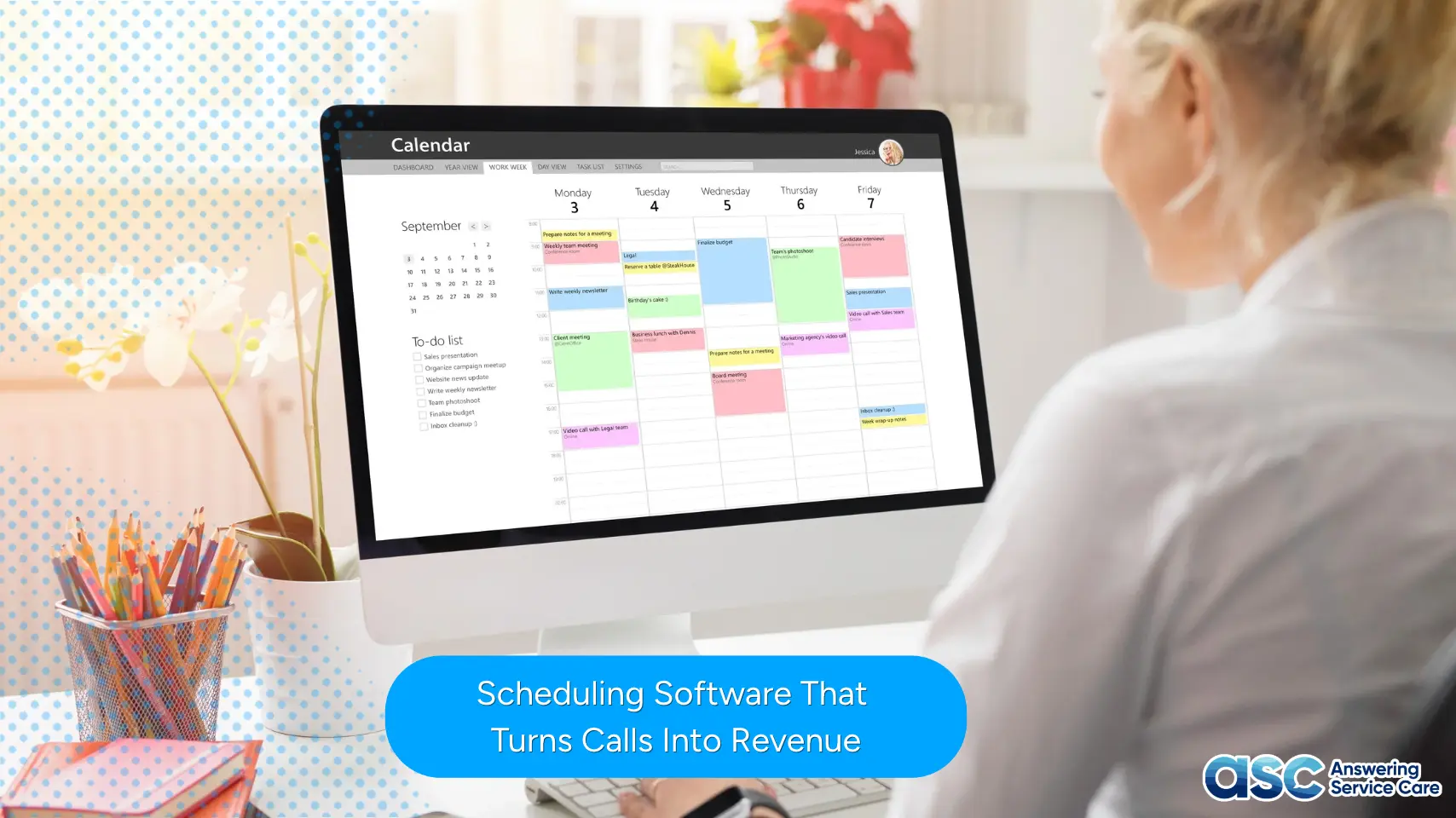
Once a caller meets the appropriate criteria, live answering can make it easy to move directly into scheduling. Combining qualification and appointment booking creates a smooth transition from initial interest to a confirmed sales conversation.
Receptionists can access compatible scheduling tools, review available appointment times, and offer options while the caller is still on the phone. This creates an immediate next step and gives the prospect a clear expectation for what happens next.
Scheduling rules can also help businesses match callers with the right representative. A company might assign meetings based on location, service category, account size, or area of expertise. Receptionists can use the information they gathered during qualification to select the correct appointment type or team member.
The receptionist can also pass along useful context. A salesperson may receive notes about the caller’s needs, desired timeline, service interest, and any other information from the initial conversation. That allows the representative to prepare before the meeting.
Live answering can support this process beyond standard business hours too. A prospect who calls in the evening or during a busy period can still receive assistance, provide qualification details, and secure an available meeting time.
This creates continuity throughout the customer journey. The initial phone conversation, qualification process, and scheduling step all work together rather than functioning as separate interactions.
For the prospect, the experience feels straightforward. For the sales team, each appointment already includes useful information. That combination can help businesses create a more organized and responsive sales process from the moment a prospect reaches out.
Measure and Refine the Sales Workflow
Once qualification and scheduling work together, businesses can use sales data to make the process even stronger. Tracking what happens after appointments are added to the calendar can reveal which questions, channels, and workflows yield the most valuable opportunities.
Start with the metrics that connect answering activity to sales results. Businesses might track how many inbound callers schedule meetings, how many attend those meetings, and how many advance to the next stage of the sales process.
Sales teams can also compare results by lead source. Calls generated by organic search, paid campaigns, referrals, or other channels may produce different types of opportunities. Connecting those sources with appointment and conversion data can help businesses understand where their strongest prospects originate.
Qualification data can provide another layer of insight. If certain needs, service categories, timelines, or account types frequently advance, businesses can refine their intake questions to capture these details consistently.
Receptionist notes can support this analysis when teams record information consistently. Consistent fields make it easier to compare callers, review trends, and identify opportunities to improve the sales process.
The workflow can evolve as those insights accumulate. Sales teams may adjust qualification criteria, change routing rules, update scheduling options, or refine the information they want receptionists to collect.
This creates a continuous feedback loop between live answering and sales. Receptionists provide structured information at the beginning of the customer journey, while downstream sales results help businesses improve how future callers progress through it.
Frequently Asked Questions
What questions should businesses ask before booking a sales meeting?
Businesses should ask questions tied directly to qualification and scheduling. Common topics include service needs, location, timeline, company size, project scope, or other details that help determine the appropriate next step.
Can an answering service qualify sales leads?
Yes. A live answering service can collect predefined qualification information, identify caller needs, route leads to the appropriate team, and schedule meetings based on a business’s workflow.
Can a live answering service schedule appointments?
Yes. With access to compatible scheduling tools and booking rules, receptionists can review availability, select the appropriate appointment type, and schedule qualified callers during the initial conversation.
Create a Stronger Path From Call to Conversation
Every inbound sales call creates an opportunity to learn about the prospect and make the next step easier. Live answering helps businesses make the most of that moment by combining responsive service with qualification, scheduling, and useful sales context.
Receptionists can gather the information that matters, guide callers to the appropriate meeting, and provide sales representatives with details that help them prepare. The discovery call can then focus more directly on the prospect’s goals, priorities, and potential solutions.
Businesses can strengthen the process further by reviewing sales results and refining qualification criteria over time. As teams learn which questions, lead sources, and caller characteristics lead to stronger opportunities, they can continue to improve the workflow.
Live answering ultimately creates a more connected sales experience. The caller receives personal attention from the first interaction, while the sales team gains better context for upcoming conversations. That alignment helps turn inbound interest into organized, productive opportunities for both the business and the prospect.