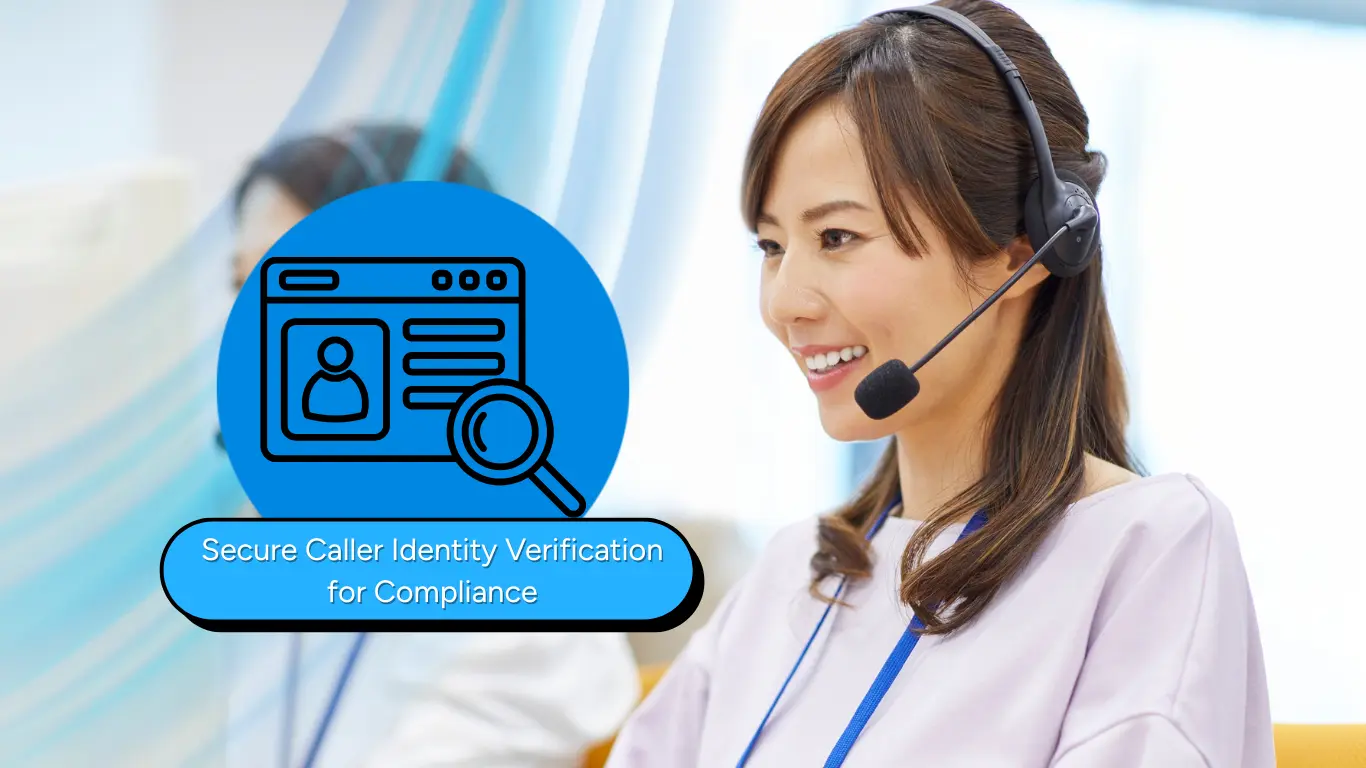

Caller verification, also known as identity verification, has become an essential part of phone-based communication as more businesses seek secure and consistent methods to confirm the caller’s identity. Healthcare, legal services, insurance, real estate, and property management companies often have rules. These rules guide what they can share. They also specify who can request changes, trigger actions, or receive support.
Organizations, even those outside regulated industries, are adopting verification policies. This helps improve accuracy, reduce confusion, and protect internal workflows.
An answering service can support these goals by following structured steps that establish their identity, while keeping client policies and compliance needs at the center of every interaction. So, how does caller verification work in a live call setting? Why does it not require unnecessary data collection? And how do thoughtful workflows help businesses stay protected and consistent?
The Real Mechanics of Live Caller Verification
Verification on a phone call succeeds when the process feels natural, consistent, and clearly aligned with what the business has already approved. Professional agents verify caller identity using familiar prompts and challenge questions tied to information the organization already has on record. Instead of asking callers to volunteer new or sensitive details, operators match the caller’s information with existing account data.
Verification also serves several purposes beyond deciding what information an answering service may share. It helps avoid mix-ups when multiple contacts have similar names. This ensures that the right person requests actions, such as appointment changes or policy updates. Not to mention, verification protects internal workflows, such as on-call dispatching. It also adds a checkpoint to stop impersonation attempts. This helps keep accurate records for smooth future interactions.
Tone and pacing play a meaningful role. A well-trained agent guides the conversation with clarity and reassurance, which keeps callers comfortable and engaged. This is especially valuable during time-sensitive requests when accuracy and composure matter most. The goal is to utilize identity verification in a manner that protects sensitive information, supports authorized actions, and ensures a positive caller experience.
Behind the scenes, access controls ensure that operators view only what they are authorized to see. Permissions limit exposure and maintain confidentiality throughout the process. When businesses design verification steps in advance and consistently follow them, they build confidence that every call meets the same high standard.
Verification Without Turning Calls Into Data Collection
Effective call verification confirms information already on file rather than expanding what the business stores. This aligns with the privacy principle of collecting only what is necessary and helps reduce long-term exposure. For example, a service may simply confirm an authorized contact name and existing account number before updating scheduling details or routing an on-call request.
A thoughtful answering service also guides callers away from oversharing. When people feel uncertain, they sometimes volunteer extra personal information in an attempt to be helpful. Clear phrasing and structured prompts prevent that from happening and ensure that the documentation includes only relevant details.
This approach benefits privacy, accuracy, and the caller experience. Short and familiar call verification steps help interactions stay efficient, while also supporting downstream tasks such as recordkeeping and follow-up. By confirming caller identity without increasing the amount of information held, businesses maintain compliance and keep call handling streamlined.
The Compliance Rules That Apply To Voice Interactions
Phone-based communication can fall under several compliance frameworks depending on the industry. In healthcare, information becomes protected health information (PHI) once it can be linked to a specific patient and a corresponding medical context. In financial settings, businesses must adhere to Payment Card Industry (PCI) requirements when handling payment data. Other sectors follow privacy standards, confidentiality rules, contractual obligations, or internal security policies even without a federal mandate.
An answering service supports these requirements through reliable process design. Call recording systems can mute or redact sensitive moments when needed. User permissions limit who can access protected fields. Audit trails record call activity, creating documentation that supports internal reviews and regulatory requests.
Compliance also applies to actions, not only disclosures. You may need to verify a caller’s identity to request service cancellation, account modification, or dispatch on-call staff, even if you don’t share any sensitive information. Trained agents know when to verify, when to pause, and when to escalate. This prevents improvisation and ensures that every interaction aligns with the organization’s expectations.
The result is a predictable and professional experience that safeguards both the business and its customers.
Industries That Require Call Verification Beyond Healthcare and Finance
Many organizations benefit from identity verification, even when they are not subject to specific regulations.
Law firms typically verify authorized contacts before discussing case updates or entering new information into their systems. Insurance providers verify policyholders before sharing claim information or adjusting coverage. Property managers ensure that only approved individuals receive access instructions, lockout support, or emergency maintenance. Funeral homes may confirm family relationships before releasing details during emotionally sensitive calls.
In these scenarios, caller verification supports multiple goals simultaneously. It ensures that instructions reach the right person while preventing accidental sharing, allowing approved actions, and maintaining accurate records for future use. Each industry has unique needs and verification triggers, which is why a customizable approach works better than a single universal script.
An answering service supports these preferences by following the exact protocol established by the client. Calls are consistent. Staff face fewer unexpected escalations. Sensitive information stays safe at every touchpoint.
What Happens After the Call Matters Just As Much
Strong verification practices continue after the interaction ends. Data retention policies determine how long information remains stored and who can view it later. A good answering service keeps only what’s needed for smooth communication. This includes updated contact info and important notes for future calls.
Redaction tools remove sensitive elements from call recordings or transcripts, which protects privacy while still allowing quality assurance teams to review call performance. Access controls limit visibility to designated users, reducing internal risk and supporting confidentiality.
Retention supports more than compliance. Verified caller identity helps prevent misplaced records, reduces confusion on future calls, and creates a reliable history of communication. When organizations handle information responsibly from start to finish, callers feel protected, and they maintain a secure and accurate record of interaction.
A Confident Path To Secure Caller Verification
Identity verification through an answering service can be both reliable and customer-friendly when supported by structured workflows and thoughtful data practices. Businesses get a reliable part of their team. This extension follows approved procedures, supports compliance, and verifies identity. It helps with authorization, accuracy, and keeping operations running smoothly.
Caller verification enhances consistency across every interaction and gives organizations peace of mind that they complete sensitive tasks responsibly. With the right partner, secure phone communication becomes a natural part of daily operations and a valuable safeguard for both callers and the businesses that serve them.