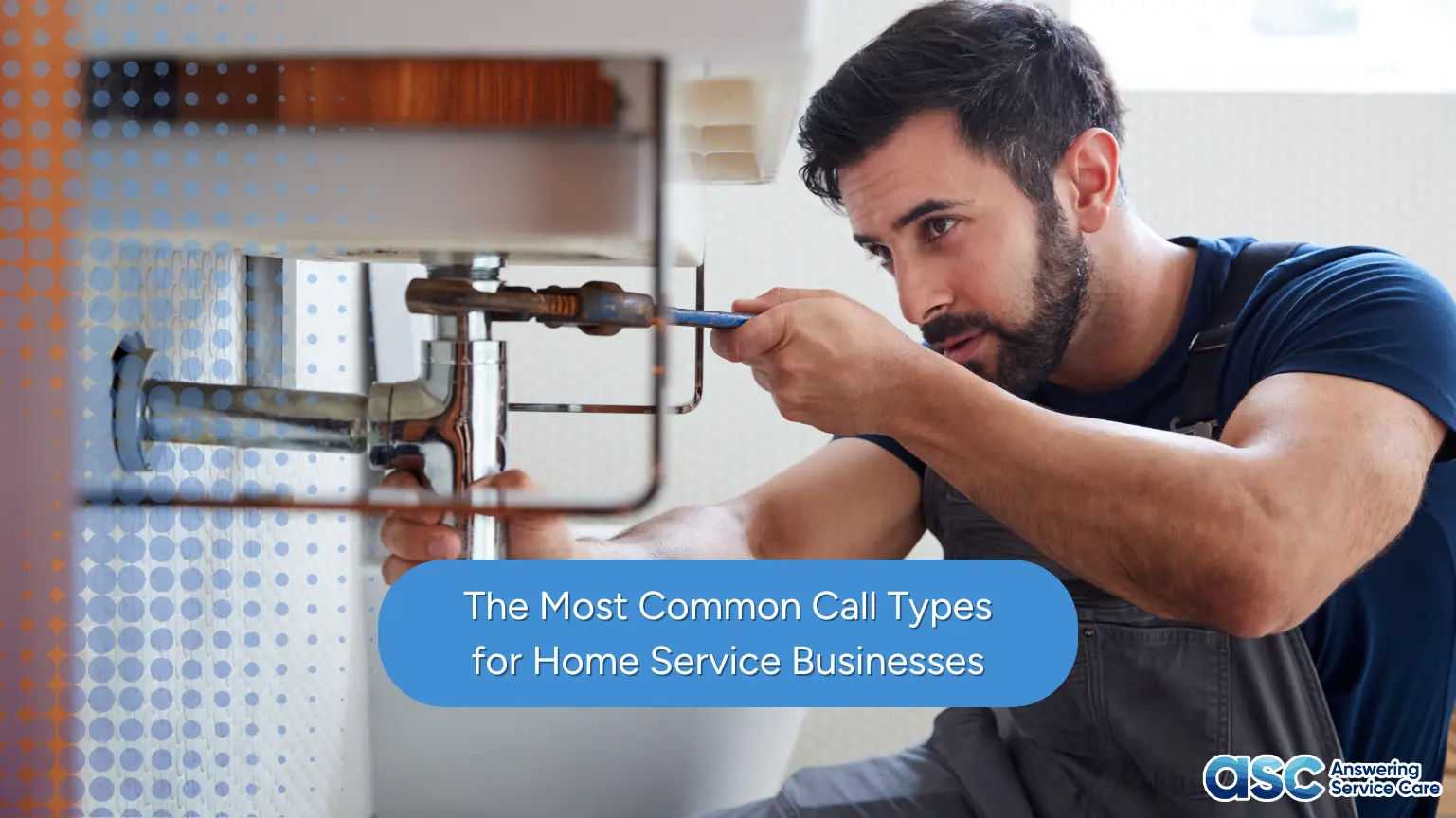

Home service teams handle a wide range of calls every day, yet many of those conversations follow familiar patterns. When businesses understand these patterns, operations become more efficient and predictable. Recognizing home service call types provides teams with a clearer understanding of the appropriate action and the required response time.
This awareness also exposes bottlenecks. If most calls revolve around scheduling, follow-up questions, or pricing concerns, leaders gain a clearer view of where improvements matter most. Over time, call trends reveal seasonality, staffing needs, and customer expectations that shape service quality.
Many home repair service businesses partner with contractor answering services to track these patterns and manage early triage. When calls are handled with intention, companies build stronger processes and deliver more reliable experiences.
When New Prospects Reach Out for Help
New customer inquiries often seem straightforward, but they influence important decisions for the customer. A homeowner calls because something has gone wrong and they need clarity fast. The first moments of the call influence how the rest of the interaction unfolds. If the conversation feels organized and calm, the caller relaxes and becomes more willing to schedule an appointment.
The strongest inquiry calls follow a clear path. The operator identifies the core issue, confirms the location, and determines the level of urgency required for assistance. Each answer guides the next step, whether that means routing the request to the right specialist or preparing to check the schedule.
A confident intake process reduces the caller’s anxiety and increases the likelihood that they will choose your company over continuing their search.
Scheduling Calls that Keep Crews Moving
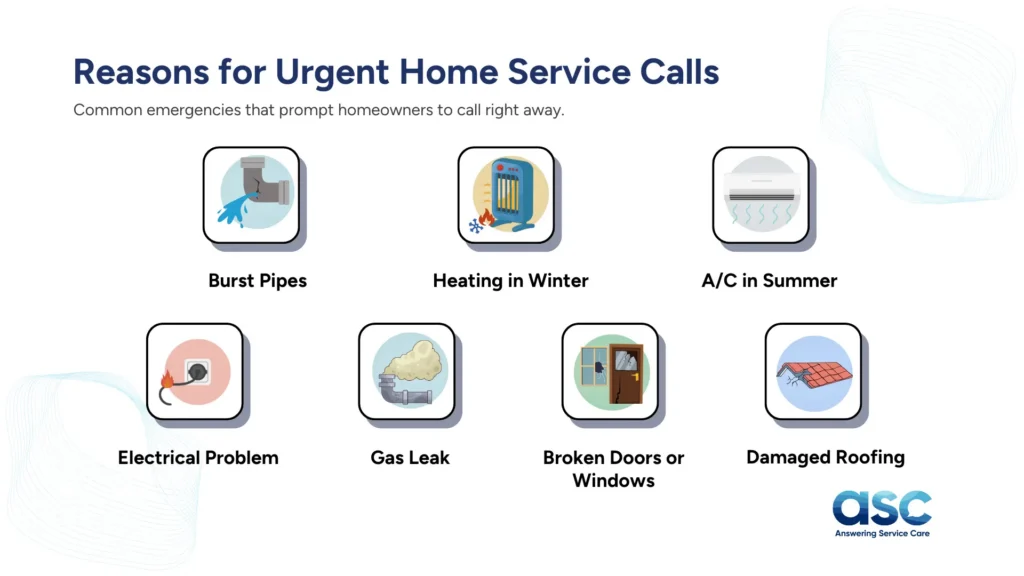
It becomes clear very quickly when a caller is dealing with an emergency. A customer might rush through their explanation or struggle to stay calm because something in their home has gone suddenly wrong. A severe leak, a heating collapse, or a dangerous electrical problem can leave people unsure of what to do next, which is why steady guidance matters.
The operator’s first goal is to clearly understand the situation. A few focused questions reveal the severity of the issue and whether the caller faces immediate risk. Once the essentials are clear, the operator can notify the on-call support team and share the necessary details before heading out.
Clear guidance during an emergency call helps the customer regain a sense of control and prepares the field team for a safer, faster response.
Urgent Calls that Demand Immediate Action
It becomes clear very quickly when a caller is dealing with an emergency. A customer might rush through their explanation or struggle to stay calm because something in their home has gone suddenly wrong. A severe leak, a heating collapse, or a dangerous electrical problem can leave people unsure of what to do next, which is why steady guidance matters.
The operator’s first goal is to clearly understand the situation. A few focused questions reveal the severity of the issue and whether the caller faces immediate risk. Once the essentials are clear, the operator can notify the on-call support team and share the necessary details before heading out.
Clear guidance during an emergency call helps the customer regain a sense of control and prepares the field team for a safer, faster response.
Maintenance and Warranty Calls that Protect Long-Term Value
Maintenance and warranty calls typically originate from customers seeking reassurance about the condition of their system or equipment, yet they have a meaningful impact on long-term trust. Homeowners often reach out after noticing something they want clarified, whether it relates to past work, routine upkeep, or coverage questions.
A measured pace helps these calls stay productive and focused. The operator reviews the customer’s past service history, clarifies their concerns, and notes any changes since the last visit. This context helps determine whether the customer needs routine maintenance or a technician return visit.
Clear communication during these calls strengthens long-term relationships. Customers appreciate knowing what steps to expect, whether they require a simple appointment or a more comprehensive evaluation of their previous work.
Billing Questions and Quote Follow-Ups that Influence Revenue
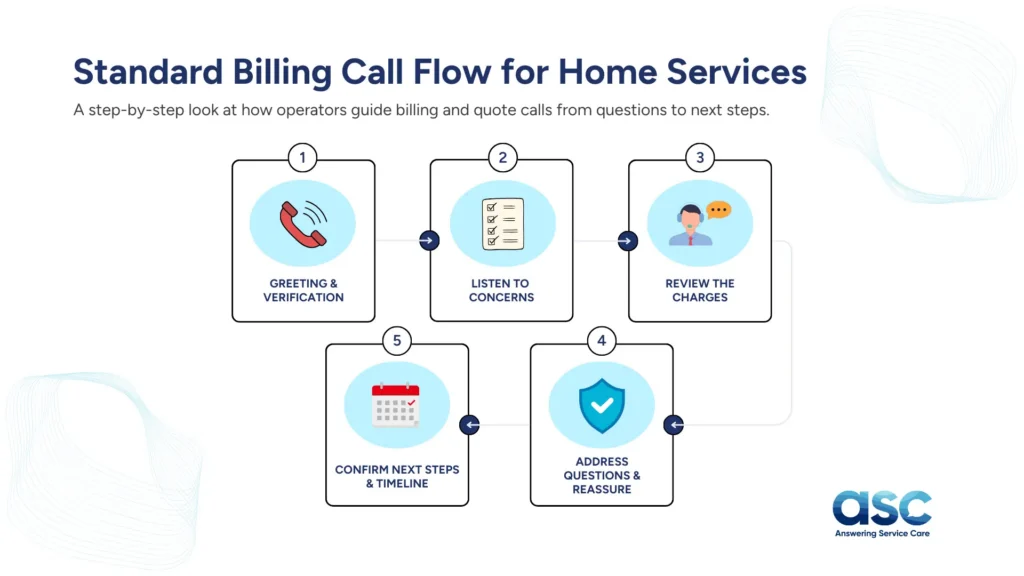
Billing and quote-related calls often reveal what customers need before they make a full commitment. Some want clarification about an invoice. Others are comparing estimates and deciding which company feels the most trustworthy. These conversations may not carry the same urgency as an emergency, but they can strongly influence a customer’s decision to move forward.
Patience and clarity keep these conversations on track. The operator reviews the service details, explains the charges, and confirms whether any applicable discounts or warranties are available. When a customer calls about an open quote, the conversation presents an opportunity to review the project timeline, address lingering questions, and alleviate hesitation.
Small moments of clarity in these calls can move someone from uncertainty to action. They also provide businesses with valuable insights into where customers feel confused, which helps the business explain costs more effectively in future calls.
Complaint and Escalation Calls that Shape Reputation
Complaint and escalation calls highlight moments when a customer feels something has gone off track. They might be disappointed by a missed appointment, unsure about a charge, or concerned that a recent repair did not fully solve the issue. When someone calls with frustration, the conversation benefits from a steady pace and genuine attention.
The process starts by giving the caller enough space to describe what happened. Detailed notes help identify whether the situation stems from miscommunication, a technical issue, or a scheduling breakdown. Some concerns can be resolved immediately, while others require routing to a supervisor or field manager for further attention.
A thoughtful approach during these calls helps rebuild trust and ensures the customer feels their concern is being addressed with real attention.
High-Stress Calls That Carry an Emotional Weight
High-stress calls often come from customers dealing with situations that feel urgent and confusing. They have noticed something in their home that no longer feels normal, and that uneasiness carries into the conversation. The operator often becomes the first calm presence the caller interacts with during a moment that seems unclear or unpredictable.
To help someone through that experience, the call needs a sense of structure. The operator maintains a steady pace, asks one clear question at a time, and reflects key details back to the caller to ensure the caller understands the information. This approach helps the customer slow down and explain what is happening with less fear and confusion.
As the conversation settles, the customer begins to feel more grounded. They leave with a clearer understanding of what comes next and a sense that someone is guiding them through a situation that initially felt confusing. Businesses that offer this clarity give customers real comfort when they need it most.
Outbound Calls That Keep Projects Moving Forward
Outbound calls often form the quiet backbone of a well-run home repair service business. These calls may not draw the same level of attention as emergencies, but they keep projects on track and prevent misunderstandings later.
A confirmation call before a visit reduces no-shows. A simple update after a repair helps customers feel informed rather than forgotten. A brief check-in can sometimes uncover new information that the customer did not think to mention earlier.
The tone of these calls matters as much as the timing. When the operator speaks with warmth and purpose, the customer feels like more than a name on a schedule. They gain confidence that the company is paying attention to details and respecting their time.
Consistent outbound communication builds reliability. Customers recognize a business that reaches out before they need to ask, and that sense of attentiveness strengthens loyalty over time.
Seasonal Call Surges and Shifts in Caller Intent
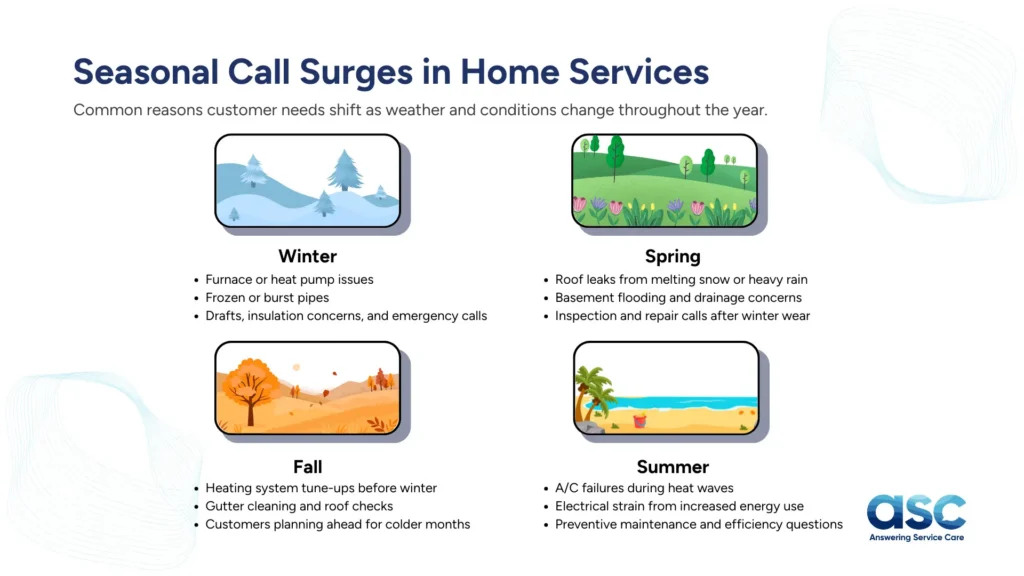
Seasonality has a steady influence on the types of calls customers make. As the weather changes, so do the concerns customers bring to the phone. Cold snaps can push heating questions to the forefront, while heavy rains spark a wave of calls about leaks or drainage issues. Subtle seasonal changes continue to influence what customers focus on in their homes and how quickly they respond to these changes.
Understanding these patterns allows a business to prepare for predictable surges. It becomes easier to anticipate when callers will need reassurance, when they will require quick scheduling, and when they may be gathering information before deciding on a larger project. The tone of these calls often reflects the season’s pressures, whether worry during extreme temperatures or curiosity during quieter months.
A business that recognizes these rhythms can respond with greater confidence and provide customers with timely, relevant guidance throughout the year.
Smarter Call Routing with CRM and Field Service Integrations
When call routing is connected to a CRM or field service platform, the entire exchange becomes more precise. As the operator enters new details, the system pulls up past visits, service notes, and technician availability. This helps the operator move efficiently from the first question to the next decision without forcing the caller to repeat information.
Answering services that work within these integrated systems bring additional consistency. They can follow the business’s existing workflows, check scheduling rules in real-time, and direct the caller exactly where they need to go based on the problem described. The customer receives answers faster and avoids the frustration of being shuffled between departments.
With strong integrations in place, calls feel more coordinated, and customers experience greater efficiency that reflects well on the entire business.
Turning Call Insights into Better Customer Experiences
Across every type of home repair service call, patterns reveal more than the reason someone reaches out. They show how callers respond to uncertainty, what slows a conversation, and which moments give them confidence.
Businesses that study these patterns begin to adjust their approach in real time. Scripts shift, timing improves, and the overall flow becomes more responsive. Answering services contribute to this refinement because their operators experience these patterns daily and learn to navigate them with precision.
As calls vary from routine scheduling to urgent situations, the blend of human skill and integrated technology becomes vital. Answering service operators trained to steady a nervous caller or guide a complex scheduling request rely on systems that surface accurate information the moment it is needed.
When these tools are used consistently, the shape of each conversation changes. Callers move more comfortably through questions, operators make clearer decisions, and the business develops a rhythm that feels intentional instead of reactive.
The strength of this approach shows in how customers feel at the end of the call. They sense the structure behind the conversation, the care in the operator’s tone, and the confidence that comes from knowing nothing was overlooked. When answering services, integrated systems, and thoughtful call analysis work together, communication becomes something customers rely on rather than endure. That consistency builds trust across every stage of the service experience.