
Reliable Call Handling for Miami Businesses That Cannot Miss a Call

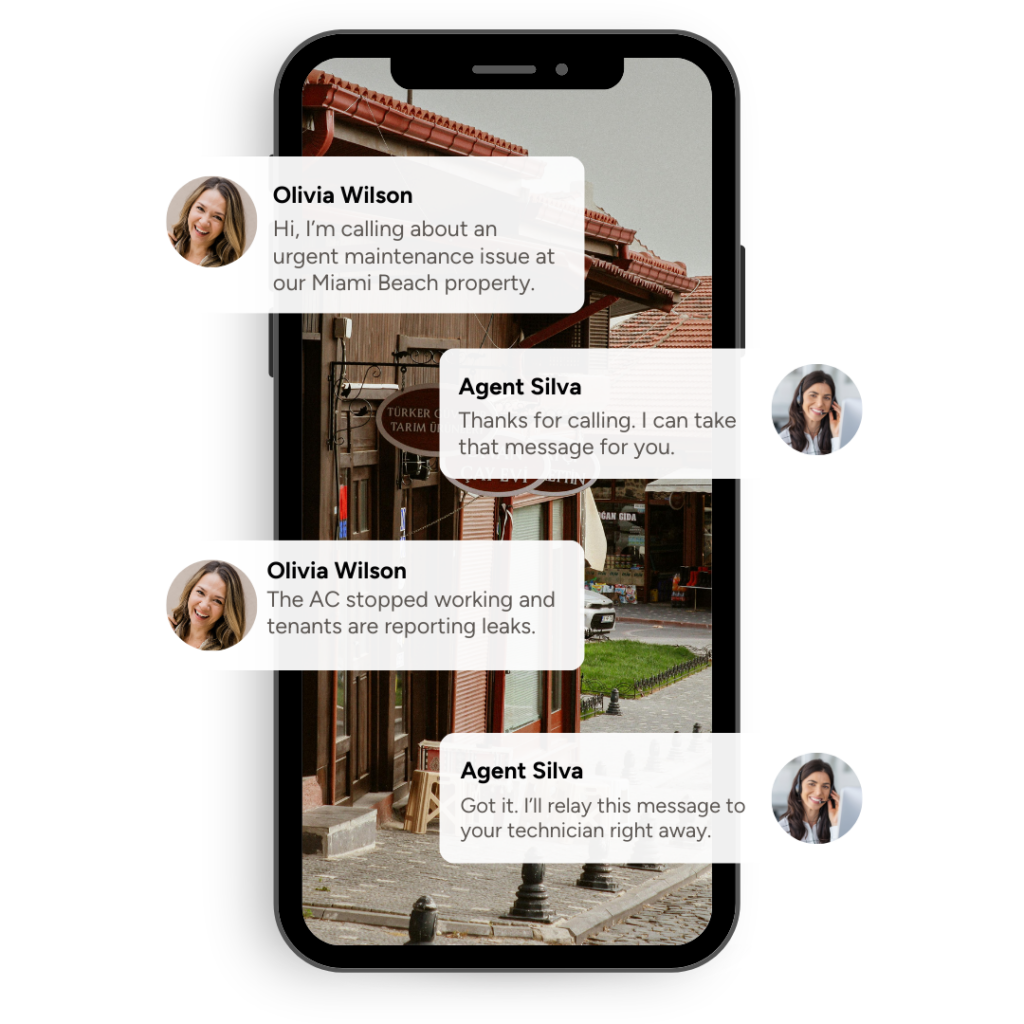
Miami’s concentration of healthcare systems, rental housing, and service-based businesses creates consistent call activity outside traditional business hours. Medical practices manage patient needs into the evening, property managers respond to urgent maintenance requests overnight, and professional service firms field inquiries from a population that remains active well beyond the workday.
Due to this extended demand window, phone coverage in Miami is more operationally significant than in many other markets. Calls arrive steadily throughout the day, with fewer but more time-sensitive inquiries coming in after hours. Our professional answering service helps businesses stay accessible during peak periods, manage overflow, and maintain consistent communication without expanding internal staffing or stretching teams beyond capacity.
Serving Miami Callers With Local Area Codes
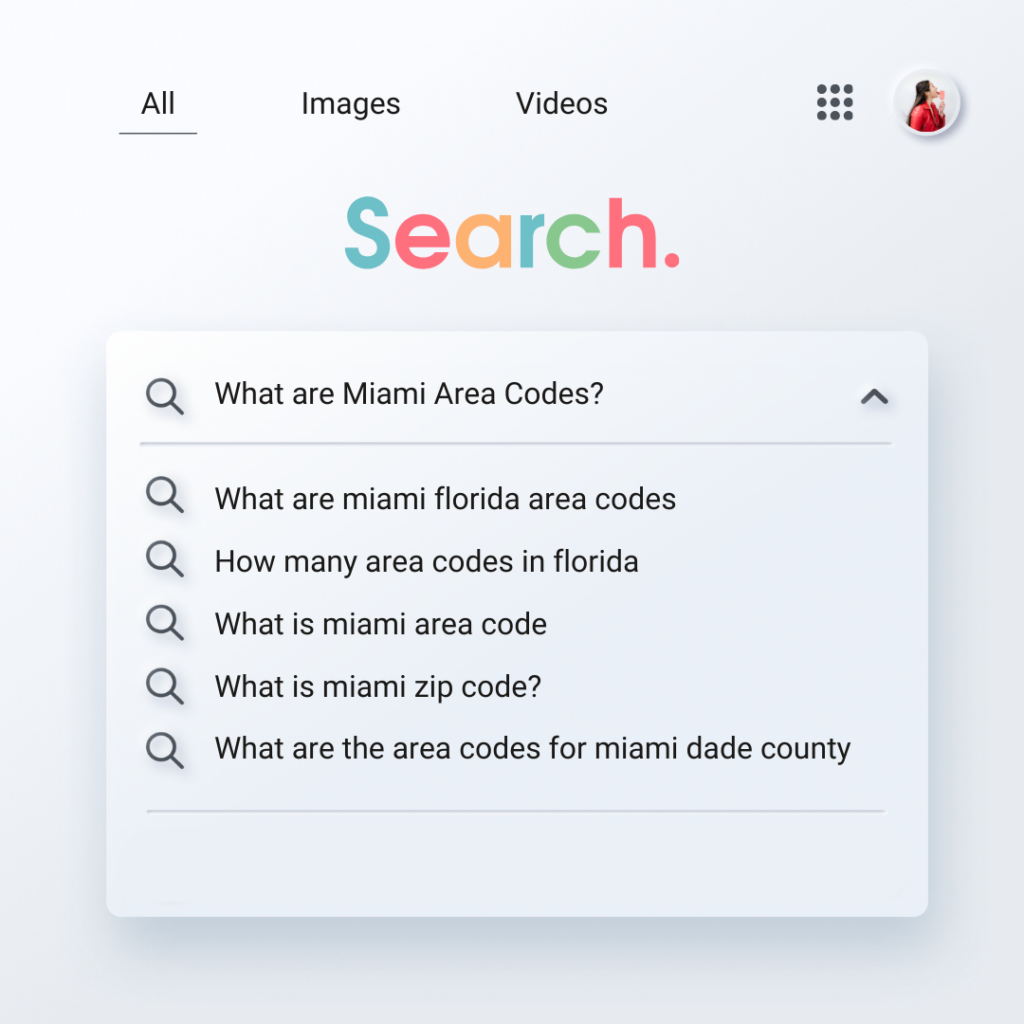
A Miami virtual receptionist supports local credibility by answering calls live with regional awareness rather than sending callers to voicemail or distant call centers. Businesses throughout the Miami area commonly use the 305, 786, and 645 area codes, which serve Miami, Miami Beach, Coral Gables, Doral, Hialeah, and the wider Miami-Dade County region. These area codes are immediately recognizable to local callers and signal that a business is rooted in the community it serves.
Miami businesses frequently support customers across ZIP codes 33101, 33125, 33126, 33127, 33128, 33130, 33131, 33133, 33134, 33135, 33136, 33137, 33139, 33142, 33145, and 33147. These ZIP codes span the urban core, major business districts, and residential neighborhoods across the metro. Using Miami-based phone numbers helps reinforce familiarity and trust, particularly for organizations that depend on live phone conversations for intake, scheduling, and customer support.
Office Space as an Operating Cost in Miami
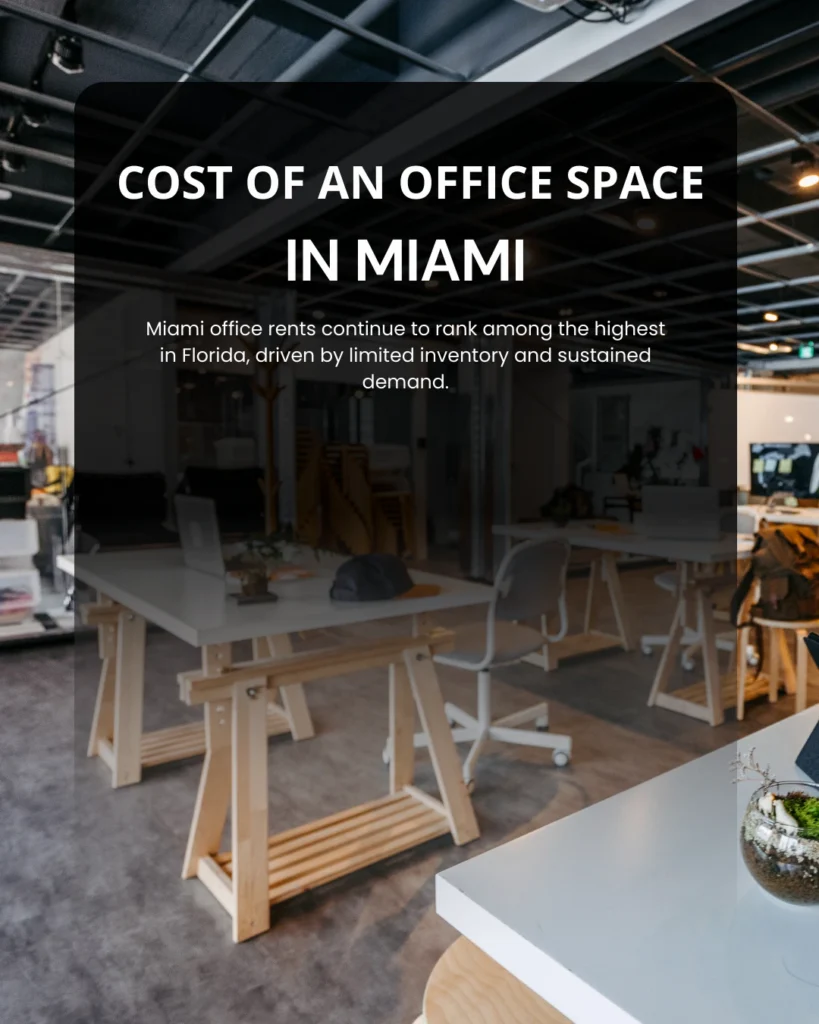
Miami’s office market remains one of the most expensive in Florida, anchored by strong demand from finance, legal, and professional services. Traditional office leases in Miami-Dade County are typically quoted around $60 to $64 per square foot per year for average space, with Class A and prime locations pushing higher. The annual figure turns into a monthly obligation. This amount rises quickly based on size and location, especially in key areas like Downtown Miami and Brickell.
Looking at published monthly rental data helps make these abstract figures concrete. Flexible, serviced private offices in Miami average about $7,400 a month. Entry-level offices start in the low four figures. Larger, prime spaces can cost over $10,000 to $15,000 per month. Some flexible workspace platforms list smaller team offices for a few thousand per month, while full floors or large footprints list far higher. These represent real monthly cash outlays that businesses must cover alongside staff and operations.
These cost benchmarks matter when comparing physical footprint to outsourced alternatives. A traditional lease, quoted at $60 per square foot annually, sets a fixed base rent that creates a predictable monthly range. However, it requires ongoing payments regardless of how much you utilize the space. Published monthly pricing for private offices shows that even flexible or short-term space tends to be expensive.
For firms looking at Miami answering services or remote administrative support, cutting down or eliminating office space can help save money. This cost can often match or exceed the annual expenses for outsourced call handling and reception services. This is especially true for businesses that mainly connect with customers over the phone.
What Miami Wage Standards Mean for Phone Staffing
Staffing phones internally in Miami requires careful consideration of several specific labor policies that influence total employment cost and scheduling flexibility. At the state level, Florida’s minimum wage is set by statute and adjusted annually. As of September 30, 2025, the Florida minimum wage increased to $14.00 per hour, with a scheduled increase to $15.00 per hour in 2026 under the state’s indexed wage schedule. Employers must comply with this base rate for all non-exempt hourly workers, regardless of the specific role they perform.
In addition to minimum wage requirements, employers must comply with the Fair Labor Standards Act (FLSA), the federal law that governs wage and hour protections. Under the FLSA, non-exempt employees are entitled to overtime pay at 1.5 times their regular rate for all hours worked beyond 40 in a workweek.
This directly impacts phone staffing. When one receptionist works extended shifts to cover evening or weekend hours, the employer may need to pay significant overtime premiums. However, if multiple staff members split the coverage, they can avoid this.
Florida doesn’t require paid sick leave or predictive scheduling. Still, employers incur costs for paid time off (PTO), holidays, and unpaid leave to maintain phone coverage. Even without local leave rules, staffing needs affect how employers budget for reception roles. They must ensure phone coverage during absences, breaks, and shift changes.
These wages and overtime requirements complicate internal phone staffing. This is especially true for businesses needing coverage beyond regular hours, without opting for a Miami virtual receptionist service.
Receptionist Pay Trends in the Miami Market
Local wage data provides valuable context when evaluating staffing models. In the Miami-Fort Lauderdale-West Palm Beach metro area, the annual mean wage for receptionists and information clerks is $35,890.
While this figure reflects base compensation, it does not capture the full cost of consistent phone coverage. Businesses must also account for benefits, paid time off, onboarding, and turnover. Ensuring phones are answered during breaks, sick days, and after-hours periods often requires multiple employees to support what appears to be a single role. For Miami organizations with steady call volume and extended operating hours, this staffing complexity becomes difficult to sustain over time.

Virtual receptionists at ASC cost as little as $40/month, saving you up to $35,410/year in in-house salary costs.
Miami’s Economic Engines and the Industries Driving Inbound Calls
Miami’s inbound call activity is shaped first and foremost by its role as a global tourism and transportation hub. Travel and hospitality, international trade and logistics, and the financial and real estate sectors generate the highest concentration of time-sensitive, coordination-heavy phone traffic across the region.
These industries need live communication for reservations, operations, scheduling, compliance, and problem-solving. This creates a constant demand for quick call handling during the day and after hours. A Miami answering service often supports this need.


Tourism is Miami's largest economic engine, anchored by PortMiami and a dense concentration of cruise lines, hotels, and travel service providers. PortMiami, the Cruise Capital of the World, welcomed over 8.2 million cruise passengers in fiscal year 2024. A large number of travelers need support. They turn to reservation teams, guest services, transportation coordinators, and port operations for help.
Major cruise operators have their global headquarters in the metro area. Royal Caribbean Group is at its PortMiami campus. Carnival Corporation has plans for a new headquarters near Miami International Airport. And Norwegian Cruise Line is located in downtown Miami.
These organizations work with many vendors, medical providers, transportation companies, and hospitality partners. They depend on continuous phone availability. This helps with booking changes and crew coordination. It’s also key for handling emergencies and supporting international travelers.
Miami serves as the main U.S. gateway to Latin America. PortMiami and Miami International Airport manage large amounts of cargo and international passengers. Freight forwarders, customs brokers, shipping agents, and ground logistics firms face tight timelines and rules. Live phone calls are key. They help with clearance, documentation, and handling exceptions.
The focus on aviation, maritime, and warehousing operations results in a high call volume. This links to shipment status, compliance checks, and quick problem-solving, not just basic inquiries.
In the last ten years, Miami’s Brickell financial district has seen rapid growth. It has attracted major investment firms, private equity groups, and commercial developers. Citadel’s move to Miami is big news. Its new tower on Brickell Bay Drive underscores the importance of capital markets, construction, and professional services to the local economy.
These firms produce steady inbound calls about client onboarding, transaction coordination, property management, and project scheduling. There’s also a growing urgency around deal timelines, site access, and regulatory review.
Miami’s economy thrives on constant movement in tourism, transportation, international trade, finance, and real estate development. Cruise operations, airports, shipping terminals, hotels, investment firms, and property managers rely on quick information exchange. This keeps travelers moving, cargo flowing, and transactions on track.
In these sectors, missed or delayed calls can disrupt plans, stall customs, delay closings, or hinder emergency responses. Voice communication is key. It enables immediate clarification, escalation, and accountability when timing and accuracy affect revenue and safety.
The high volume of international traffic and the need for 24/7 accessibility demand high-capacity infrastructure. Reservation centers, port operations, customs brokers, legal teams, and building managers depend on live coverage. They manage last-minute changes, regulatory questions, and urgent service issues. Whether coordinating a ship's arrival or resolving a freight delay, real-time phone access connects Miami’s global industries.
Live call handling is an essential layer that supports the city as a gateway for people, goods, and investment.
Why Businesses Rely on our Miami Answering Services
In Miami’s service-driven economy, where callers often contact multiple providers within a short timeframe, availability has a significant impact on perception. Callers who reach a live professional feel supported and confident. Those who encounter voicemail often move on to other options.
A Miami answering service ensures that staff promptly answer calls, accurately capture messages, and appropriately route urgent issues. This keeps revenue safe, reduces internal issues, and helps businesses meet customer needs. Plus, it does this without needing to hire more staff or stress out current employees.

Supporting Businesses Across the Miami Area
We support businesses across Miami’s high-density neighborhoods and surrounding communities, including Downtown, Brickell, Wynwood, Coral Gables, Doral, and Miami Beach. Whether you operate a single location or manage multiple offices across Miami, our Miami virtual receptionists provide consistent, tailored call handling for your industry, schedule, and customer base.

Simple Call Forwarding Options for Local Companies
Miami businesses can forward calls to Answering Service Care in just a few minutes. Our call forwarding instructions include easy-to-follow steps for AT&T, T-Mobile, Verizon, and Comcast. You can forward calls all day, after hours, or only during peak call periods. Because your primary number stays the same, callers experience seamless communication while Answering Service Care handles every call.