
Live Answering Services Keep Tampa Businesses Connected

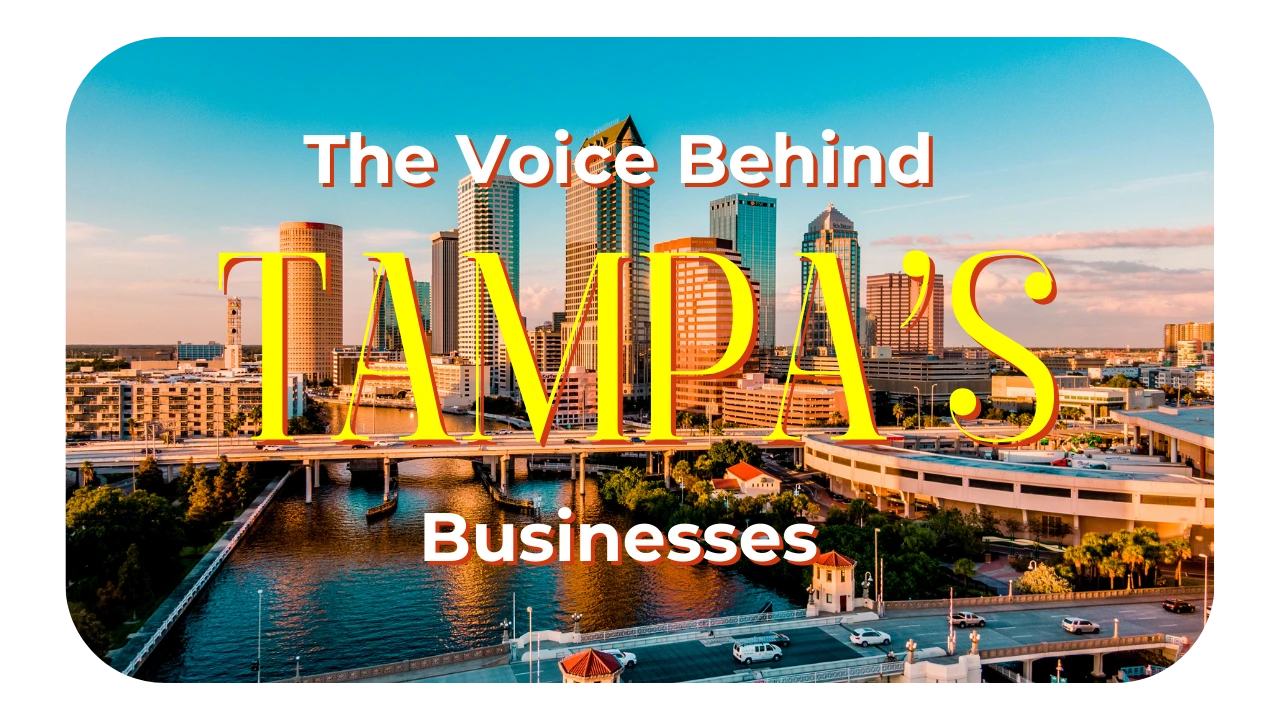
Tampa is the hub of business activity on Florida’s west coast. It features healthcare systems, financial firms, contractors, and professional offices throughout the metro area. The phone is still the fastest and most reliable way for many of these businesses to book appointments. It helps them qualify requests and fix problems that cannot wait for email or online forms. When calls go unanswered, productivity slows, and internal teams are often forced to absorb the disruption.
Local businesses in Hillsborough County and the Tampa Bay area usually get a steady number of calls during the day. However, they receive fewer but more urgent inquiries outside regular hours. For organizations that support medical services, home services, or client-facing operations, these calls often require a prompt response.
Our Tampa answering service keeps businesses accessible during peak hours. It handles overflow smoothly and ensures consistent communication. This way, you won’t need to hire more staff or disrupt your workflows.
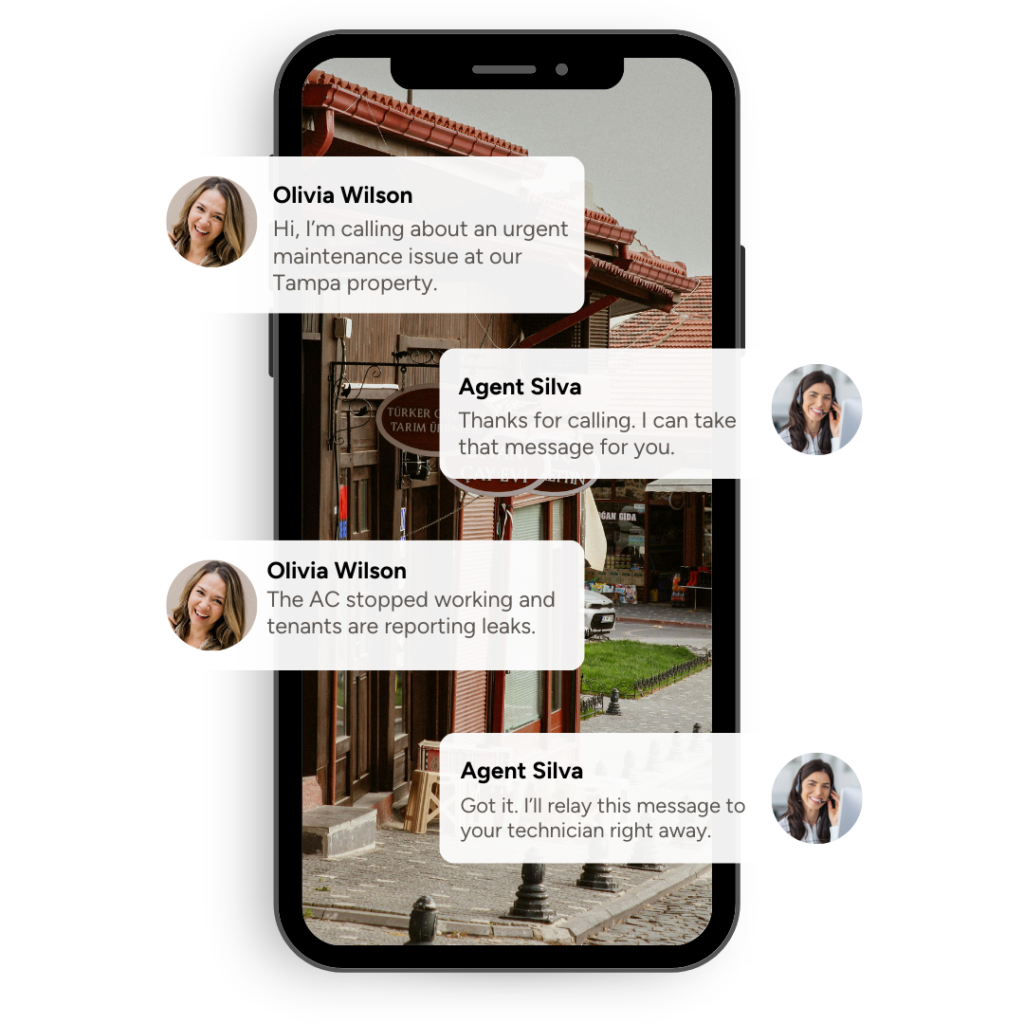
Local Tampa Area Codes and Caller Recognition
A Tampa virtual receptionist strengthens caller confidence by answering calls live with regional familiarity rather than routing them to voicemail or distant queues. Businesses throughout the Tampa area commonly use the 813 and 656 area codes, which serve Tampa, Brandon, Riverview, Plant City, and much of Hillsborough County. These area codes are widely recognized across the Tampa Bay region and help callers feel assured they are reaching a local organization from the first ring.
Tampa businesses frequently serve customers across ZIP codes 33602, 33603, 33604, 33605, 33606, 33607, 33609, 33610, 33611, 33612, 33613, and 33614. These ZIP codes cover downtown Tampa, Hyde Park, Ybor City, Westshore, and major residential and commercial corridors. Using Tampa-based phone numbers reinforces familiarity and trust for organizations that rely on live phone conversations to support daily operations.
Office Rent and the Cost of Maintaining Space in Tampa
Maintaining office space in Tampa introduces a steady layer of overhead that extends well beyond staffing and technology. Recent leasing data place most office asking rates between approximately $28 and $35 per square foot, with pricing shaped by location and building condition. Properties in Downtown Tampa and Westshore typically sit at the higher end of that range. This is due to accessibility and a concentration of employers. Meanwhile, secondary areas offer more modest rates. Taken together, the market settles largely in the low $30s per square foot, reflecting a competitive but relatively stable environment.
Monthly pricing from shared and serviced office providers offers a more tangible sense of what businesses actually pay. In the Tampa area, private offices often range from $3,000 to $6,000 a month for smaller spaces. Larger suites or prime locations can exceed $7,000 and reach into the five-figure range. These listings often include utilities and furnishings, yet they still require ongoing monthly payments that scale directly with space rather than activity.
Because rent does not flex with call volume or operating hours, office space can become a limiting factor for businesses whose work is not tied to in-person interaction. For companies considering a Tampa virtual receptionist, removing the need for a front desk can help cut costs. This shift allows spending to move from fixed facilities to operational capacity. This approach better matches costs with communication needs. It is especially helpful for teams that mainly assist clients by phone and need coverage for varied or extended schedules.

Staffing Phones in Tampa Under Florida Wage Law
A combination of state wage requirements and federal hour regulations shapes in-house phone coverage management in Tampa, influencing staffing design and overall cost. Florida sets a uniform minimum wage that applies statewide, including Tampa. As of September 30, 2025, the minimum hourly wage rose to $14.00, with a planned increase to $15.00 per hour in 2026 under Florida’s voter-approved wage schedule. This rate applies to all non-exempt hourly employees, including those in the reception and front desk areas.
Federal labor law further affects how coverage is staffed. Under the Fair Labor Standards Act, non-exempt employees must receive overtime pay at one and a half times their regular rate once weekly hours exceed forty. For Tampa businesses that need phones covered at night or on weekends, this rule often limits how long a manager can schedule a single employee. Otherwise, labor costs can rise quickly.
Many employers respond by rotating shifts or adding staff, which increases headcount and scheduling complexity. To handle overtime limits and scheduling challenges, many companies hire a Tampa virtual receptionist. This approach keeps coverage steady while simplifying payroll.
Florida does not impose statewide requirements for paid sick leave or predictive scheduling. However, employers must still plan for paid time off, holidays, and unplanned absences when maintaining reliable coverage. Because calls cannot go unanswered during breaks or shift transitions, these factors directly affect staffing budgets. Together, these wage and overtime requirements make internal phone staffing more complex for Tampa businesses that require coverage beyond standard business hours.
Receptionist Wages in the Tampa–St. Petersburg Metro
Wage data provides helpful context when evaluating phone coverage options. The U.S. Bureau of Labor Statistics reports that office and administrative support workers in the Tampa–St. The Petersburg–Clearwater area has an annual mean wage of $47,840. This is in line with the average wages across Florida.
This figure reflects base compensation only. It doesn’t cover benefits, onboarding, or paid time off. It also doesn’t account for extra staff needed during breaks, absences, or overlapping shifts. For businesses with a steady inbound call volume, these factors can lead to increased operating costs and administrative complexity over time.

Virtual receptionist plans at ASC start at $40 per month and can reduce staffing costs by up to $47,360 each year.
The Industries That Shape Communication Demand in Tampa
Tampa serves as a major center for government and defense. It is also quickly becoming a hub for technology and cybersecurity. Furthermore, it has a robust base in financial and professional services. These elements all influence the city’s inbound call activity.
These sectors operate in tightly regulated, security-focused environments. Here, live phone communication is key. It ensures compliance, keeps operations running smoothly, and supports quick decision-making. As a result, they generate steady, high-value call traffic during business hours and meaningful demand for after-hours responsiveness.

Government and defense form the most influential economic drivers of call demand in the Tampa Bay region. MacDill Air Force Base anchors this industry as the home of U.S. Central Command and U.S. Special Operations Command. This role makes it one of the most strategically important military installations in the country. The base is home to many defense contractors and federal service providers. Notable names are Raytheon, Lockheed Martin, Northrop Grumman, L3Harris Technologies, and Booz Allen Hamilton. Each has a strong presence in the region.
These employers depend on ongoing phone access. It’s essential for processing security clearances, managing contracts, coordinating engineering, overseeing facilities, providing medical services, and supporting missions. Tampa's city and county governments, along with agencies like Hillsborough County, help drive inbound call volume. This includes calls for permitting, legal services, utilities, public works, and emergency response. Across both military and civilian operations, real-time voice communication remains central to maintaining readiness and regulatory compliance.
Tampa has become one of Florida’s top technology and cybersecurity markets. This growth comes from a mix of enterprise IT firms, defense-aligned technology companies, and managed service providers. Major employers in the region include Jabil, which has large tech and supply chain operations. Tech Data’s former headquarters in Clearwater is now part of TD SYNNEX. Other notable companies are ConnectWise, KnowBe4, ReliaQuest, and Rapid7. These firms strengthen Tampa’s reputation as a cybersecurity and IT services hub.
Many of these organizations operate security operations centers, network operations centers, and 24/7 help desks. Inbound calls are driven by incident response, system outages, access management, onboarding, compliance coordination, and client support. These environments need quick escalation paths and live troubleshooting. This leads to steady call volume during the day and high demand after hours when security events or infrastructure failures happen.
Financial and professional services represent the third core source of inbound call activity. The Tampa Bay area has many wealth management, banking, insurance, legal, and consulting firms. It’s anchored by Raymond James Financial, based in St. Petersburg and employing thousands in the region. Other major employers are Citi’s technology and operations center, JPMorgan Chase, USAA, and MetLife. There’s also a network of regional banks, law firms, accounting firms, and advisory practices in downtown Tampa and the Westshore business district.
These organizations receive consistent phone calls for various reasons. Clients contact them for onboarding, account management, transaction coordination, regulatory questions, and urgent documentation. Professional services firms assist government, defense, and technology clients. They increase call volume by reviewing contracts, offering compliance consulting, and performing audits. All these tasks require secure, timely communication.
Tampa’s economy relies on organizations that operate under strict timelines, regulatory oversight, and security requirements. Defense commands, federal contractors, cybersecurity firms, financial institutions, and professional services groups all depend on immediate access to accurate information and accountable points of contact. In these environments, delays are not just inconvenient.
They can disrupt operations, slow compliance processes, affect service continuity, or escalate risk. As a result, voice communication remains a primary channel for scheduling, incident response, authorization, and decision-making, even as digital tools handle routine transactions.
The volume and urgency of these interactions shape expectations for availability and responsiveness across the region. On-call rotations, escalation trees, client service desks, and compliance hotlines all depend on live coverage to route and resolve issues in real time. Reaching a trained person quickly is key. This matters for security alerts, regulatory deadlines, and urgent client requests. It helps build trust and keeps operations running smoothly.
Phone coverage functions less like a customer convenience and more like a layer of infrastructure that underpins how Tampa’s most influential industries operate day to day. In many cases, a Tampa virtual receptionist functions as an extension of these organizations, supporting secure, time-sensitive communication without requiring on-site staffing.
Why Tampa Businesses Rely on Professional Call Handling
For many Tampa businesses, availability directly impacts customer perception and lead capture. Callers who reach a live professional are more likely to feel supported and move forward, while unanswered calls can result in lost opportunities. Our Tampa answering service ensures that staff promptly handle calls, accurately document messages, and escalate urgent issues appropriately, without increasing internal staffing demands.
Supporting Businesses Throughout the Tampa Bay Region
We work with organizations across Tampa and nearby communities, from the downtown core and Westshore to South Tampa, Brandon, Riverview, and Carrollwood. Our team supports businesses operating in a wide range of service environments, each with different call patterns and coverage needs. Businesses that choose our Tampa answering service gain dependable call handling. We adapt to different locations, schedules, and industry needs across the metro area.

How To Forward Your Phones To Nearby Carriers
Answering Service Care offers flexible call forwarding options that fit how Tampa businesses operate. Our call forwarding instructions outline the exact steps for AT&T, T-Mobile, Verizon, and Comcast. You decide when calls are forwarded, whether during busy periods, evenings, or around the clock. All of this can be managed without changing your existing phone number.